
Consider Your Budget
Set a budget first, then decide which cabin category fits. Remember to factor in onboard spending. Interior cabins save money for excursions, while balcony cabins are worth it for scenic cruises.
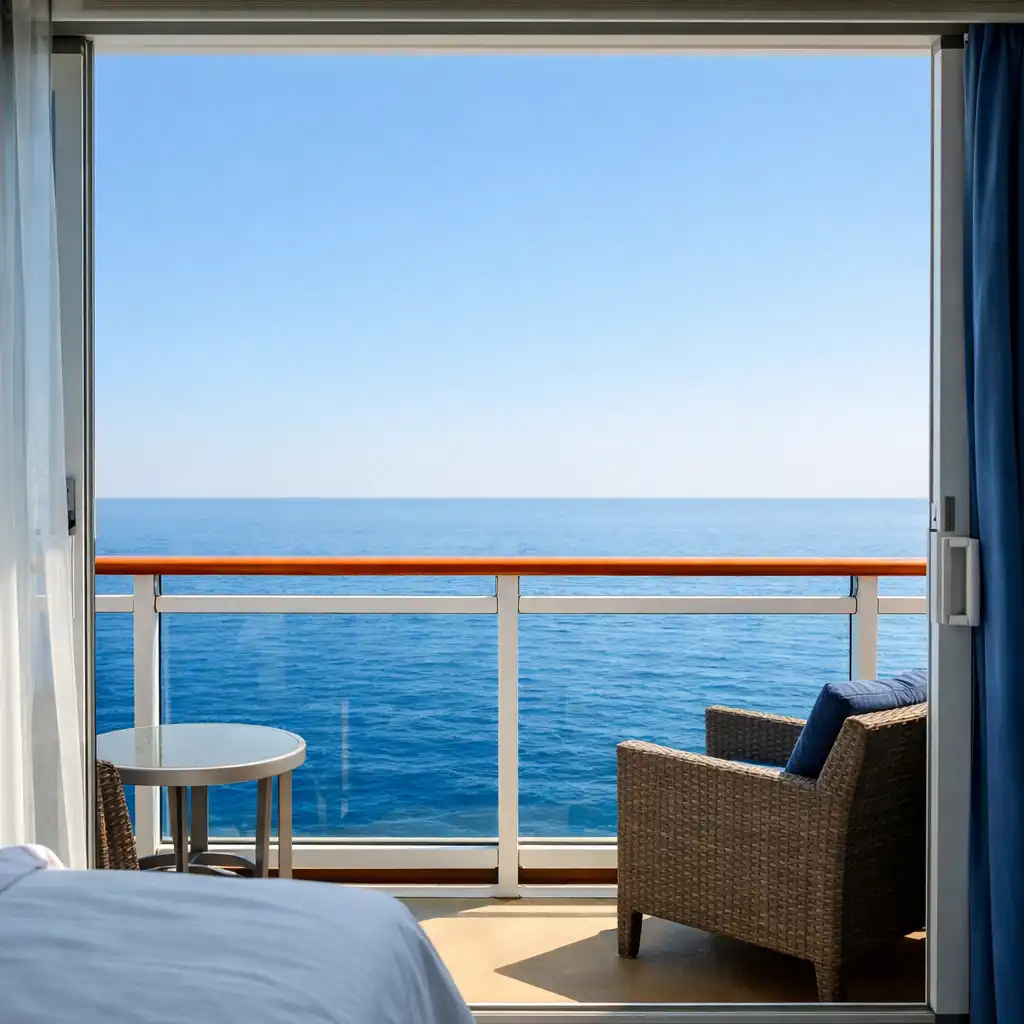
Cruise ships typically offer four main cabin categories: Interior, Oceanview, Balcony, and Suite. Each offers a different level of space, natural light, and amenities, so the right choice depends on your budget, itinerary, and how you like to spend time at sea.
Your cabin is your home base at sea. The right choice can enhance comfort, sleep quality, and overall cruise enjoyment. Location affects motion, noise, and convenience. Size and layout impact livability, while amenities can add real value for longer voyages.
This guide provides structured comparisons and practical tips to help you choose the best cabin for your needs and budget. Navigate the sections below for detailed information, use the comparison table for quick reference, and check the FAQ for common concerns.
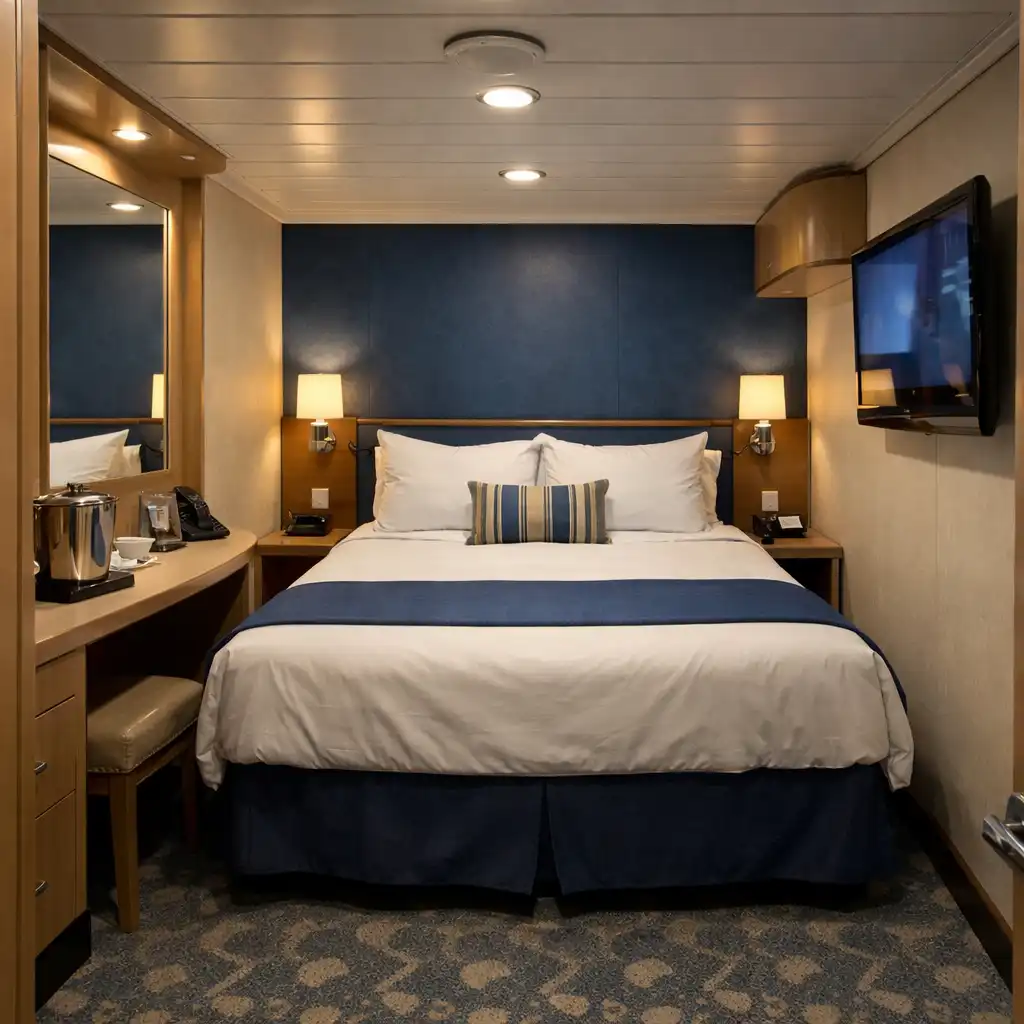
Interior cabins are the most budget-friendly option. They are typically compact, with no natural light, but offer all essential amenities. Average size ranges from 12 to 18 square metres. They have no windows, though some modern ships offer virtual balconies with LED screens showing live ocean views. These cabins are ideal for travellers who spend most of their time in public areas.
Interior cabins suit budget-conscious travellers, solo cruisers, and those who plan to spend minimal time in their room. They are great for short cruises and for late-night revellers who only sleep in the cabin.
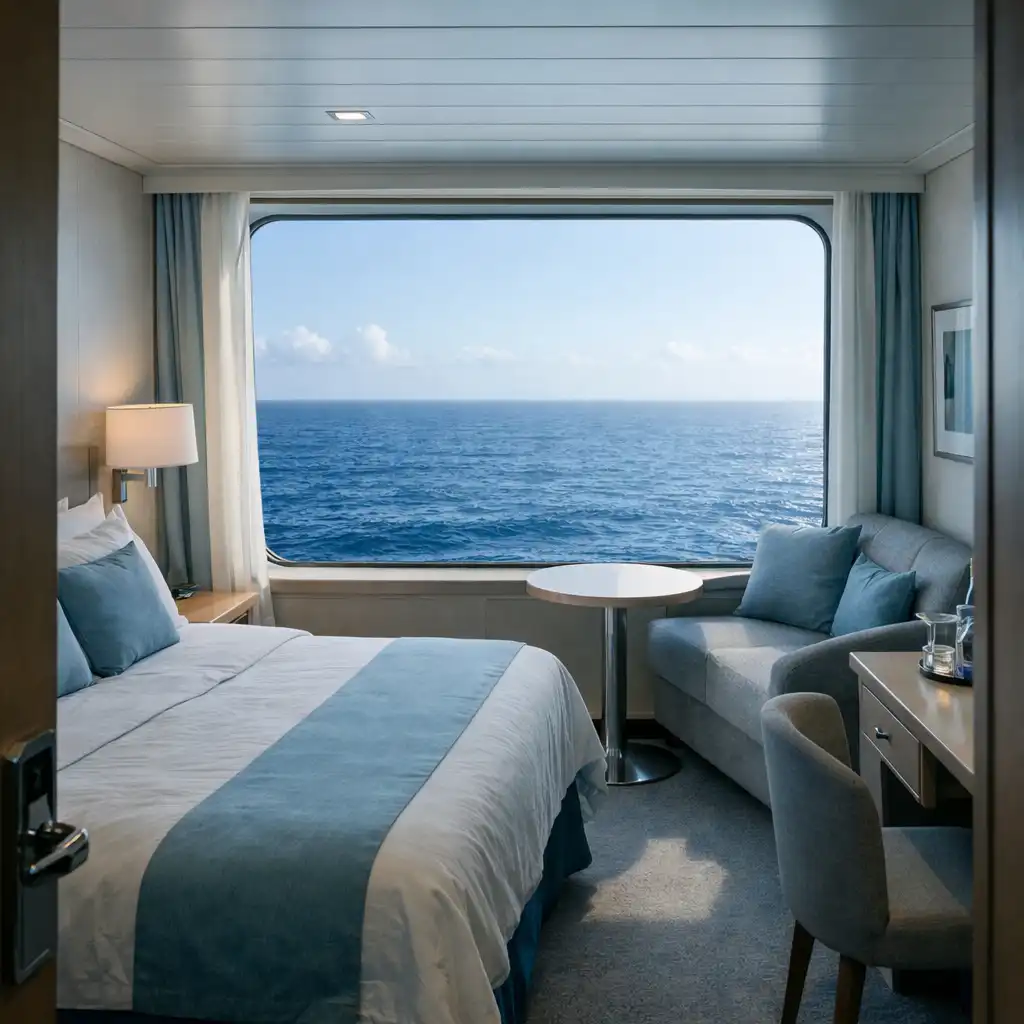
Oceanview cabins offer a window or porthole, providing natural light and a view of the sea. They are slightly larger than interior cabins, with an average size of 14 to 20 square metres. The window may be a large picture window or a small porthole. Some oceanview cabins have obstructed views caused by lifeboats or ship structures.
Not all oceanview cabins are equal. Check deck plans for potential obstructions. Obstructed view cabins are cheaper but have limited visibility. Forward-facing cabins may have angled windows that offer a different perspective.
Oceanview cabins are a good middle ground for travellers who want natural light without paying for a balcony. They are suitable for those who enjoy watching the ocean from inside and are often chosen by families with young children because there are no balcony safety concerns.
Balcony cabins feature a private outdoor space, allowing you to enjoy fresh air and ocean views without leaving your room. Average size is 16 to 22 square metres plus the balcony. The balcony itself is typically 3 to 6 square metres and is furnished with chairs and a small table.
For many cruisers, a balcony is a worthwhile splurge, especially on scenic itineraries or longer voyages. It is great for private relaxation and ideal for room service breakfast with a view.
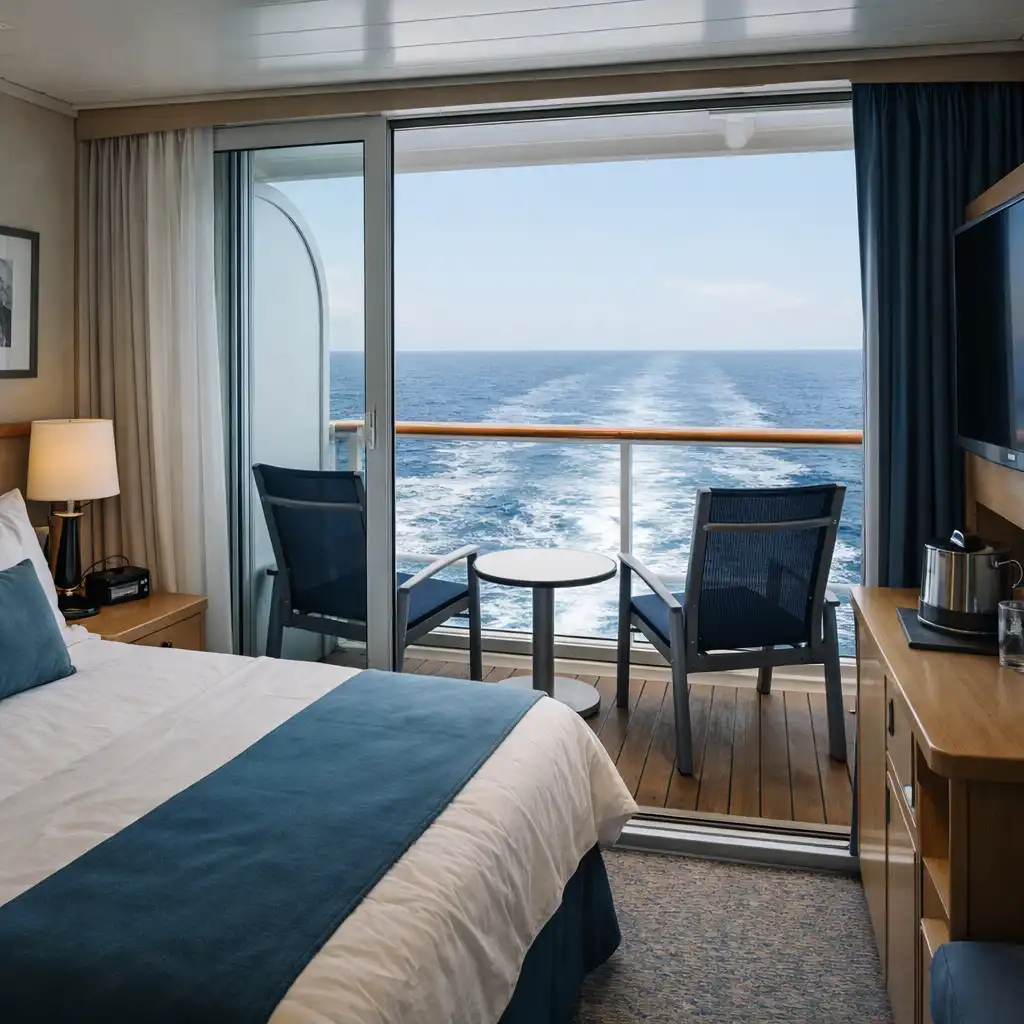
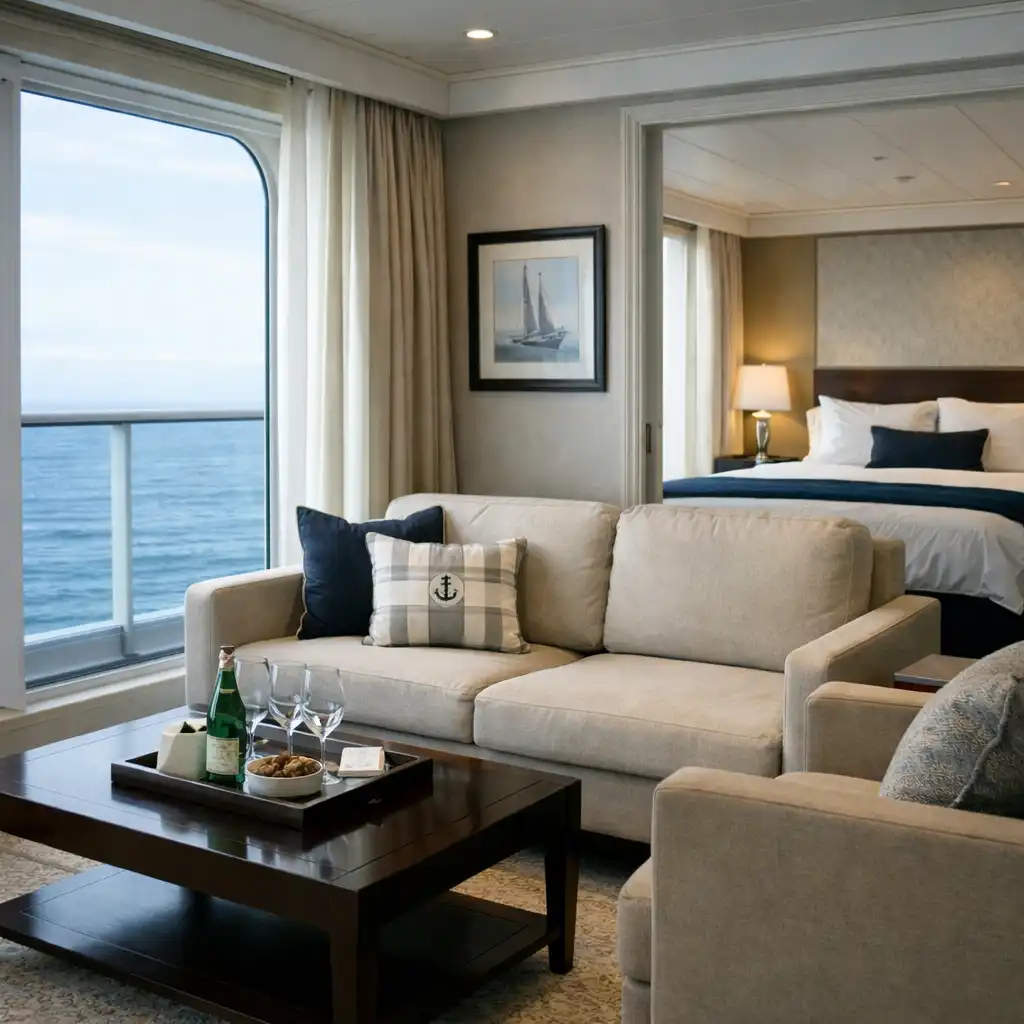
Suite guests often enjoy priority boarding, dedicated concierge, access to exclusive lounges, and premium dining options. Additional perks can include priority embarkation and disembarkation, butler service on some lines, and access to suite-only restaurants and pools.
Suites are best for special occasions, long cruises, or travellers who value space and personalised service. Consider the cost per square metre and evaluate whether you will use the extra perks before booking.
The table below summarises key differences across cabin categories, including size, natural light, balcony, and typical price range.
| Category | Average Size | Natural Light | Balcony | Price Range |
|---|---|---|---|---|
| Interior | 12-18 sq m | None | No | Lowest |
| Oceanview | 14-20 sq m | Window or porthole | No | Low to mid |
| Balcony | 16-22 sq m plus balcony | Window and balcony | Yes | Mid to high |
| Suite | Varies, often 30+ sq m | Large windows, often balcony | Usually | Highest |
Deck plans are colour-coded diagrams showing cabin locations, public areas, and facilities. Learning to read them helps you avoid noisy or inconvenient spots. Cabins are numbered by deck and position. Colours indicate cabin category, and symbols show connecting cabins, accessible cabins, and other features.
A simplified deck plan diagram illustrates typical cabin placement and public areas. The diagram is for educational purposes only. Actual deck plans vary by ship.
Higher categories may add bathrobes, upgraded toiletries, espresso machines, and priority services. Suite guests often receive welcome champagne, and some lines offer pillow menus.
Accessible cabins are available on most ships, with wider doorways, roll-in showers, and grab bars. They must be requested at booking and vary by ship and line.
Set a budget first, then decide which cabin category fits. Remember to factor in onboard spending. Interior cabins save money for excursions, while balcony cabins are worth it for scenic cruises.
On port-intensive cruises, you may spend less time in the cabin, so a lower category might suffice. Sea days increase cabin time, and Alaska or fjord cruises benefit from balconies.
Research specific cabins using online reviews and deck plans to avoid noisy or obstructed locations. Look for cabins under public areas such as pools or buffets that may be noisy, and avoid cabins near crew doors or anchor chains.
Popular cabin categories and locations sell out quickly, so book early to get your preferred choice. Early booking often comes with perks, while last-minute deals may have limited cabin options.
Yes, most cruise lines allow you to select a cabin number at booking, subject to availability.
It depends on location. Cabins near elevators, under pools, or above nightclubs may be noisier.
Yes, most cabins include a hairdryer, often in a drawer or bathroom.
Yes, most lines provide cribs or pack-and-plays upon request.
Yes, accessible cabins are available but should be booked early.